-
The System
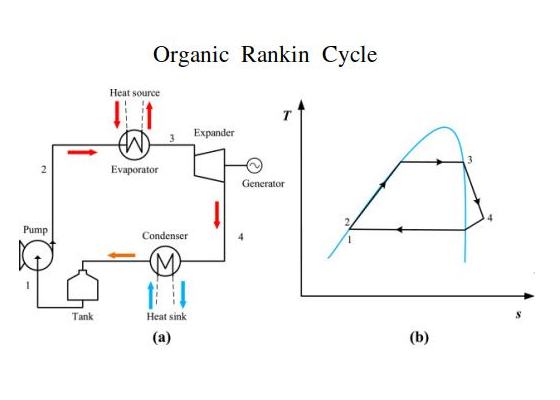
The basic components of the prototype are roof mounted solar collectors, the expander, a heat sink coil submersed in a body of water, and a pump to circulate the working fluid.
We have chosen Solar Thermal for several reasons:
*STC can be much more efficient than PV: ideal for the confined areas typical in residential applications.
*STCs can be made from common, low-tech materials such as glass, copper, and steel. No need for a high tech semiconductor fabrication facility.
*Technology for the expander exist today's in HVAC compressor market.
*An industry exists surrounding the technology.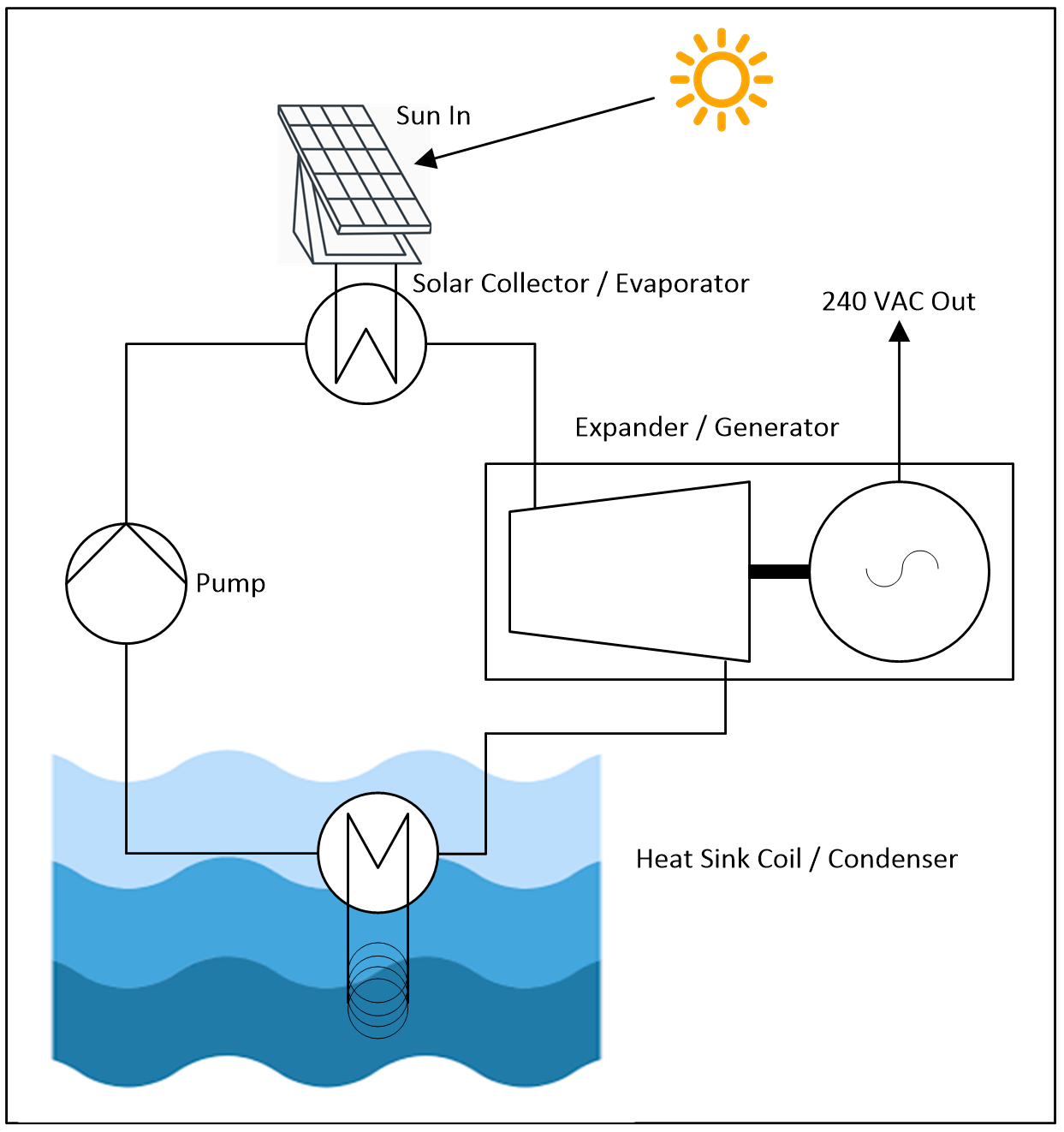
Photo-Voltaic Solar Panels
PV Panels use the band gap of a semiconductor material to product electric current. Think of it as a huge photo transistor. This band gap can only use a small percentage of the spectrum of energy coming from the sky, and the conversion itself is not terribly efficient. The efficiency of PV cells has been improving over the years, with the advent of multi-junction cells which can convert a higher percentage of the available spectrum. However, the efficiency of PV solar panels that are commercially available today ranges from 15% to 20%.
Solar Thermal Collectors
Solar Thermal Collectors can convert almost all of the spectrum of radiated energy that hits them into heat. Of course, it is all in the implementation. While roof-top solar thermal collectors have achieved over 90% efficiency, a more realistic value might be 60% to 70%. This is still 3 to 4 times better than Photo-Voltaic -
The Expander / Generator
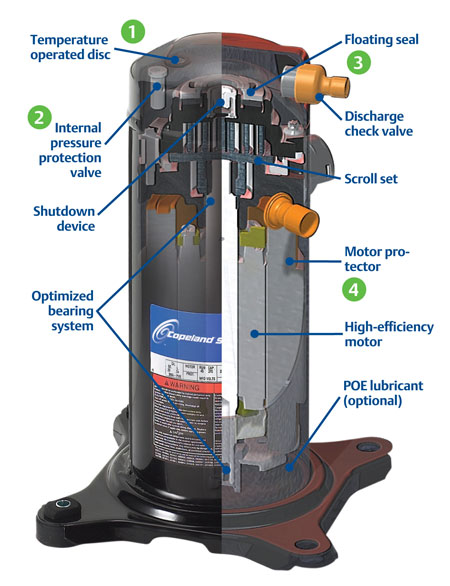
Solorce plans to use a commercial off the shelf Copeland Scroll Compress as an expander. Research has shown scroll compressors to be one of the more efficient types of expanders when used at our target energy range. Research is underway to determine the prefered working fluid as well as modifications to the compressor which will be needed to make it a more efficient expander. One promissing potential working fluid is CO2due to our expected low-side temperature and it's lower Global Warming Potential (GWP). You can learn more about CO2 as an ORC working fluid here.

-
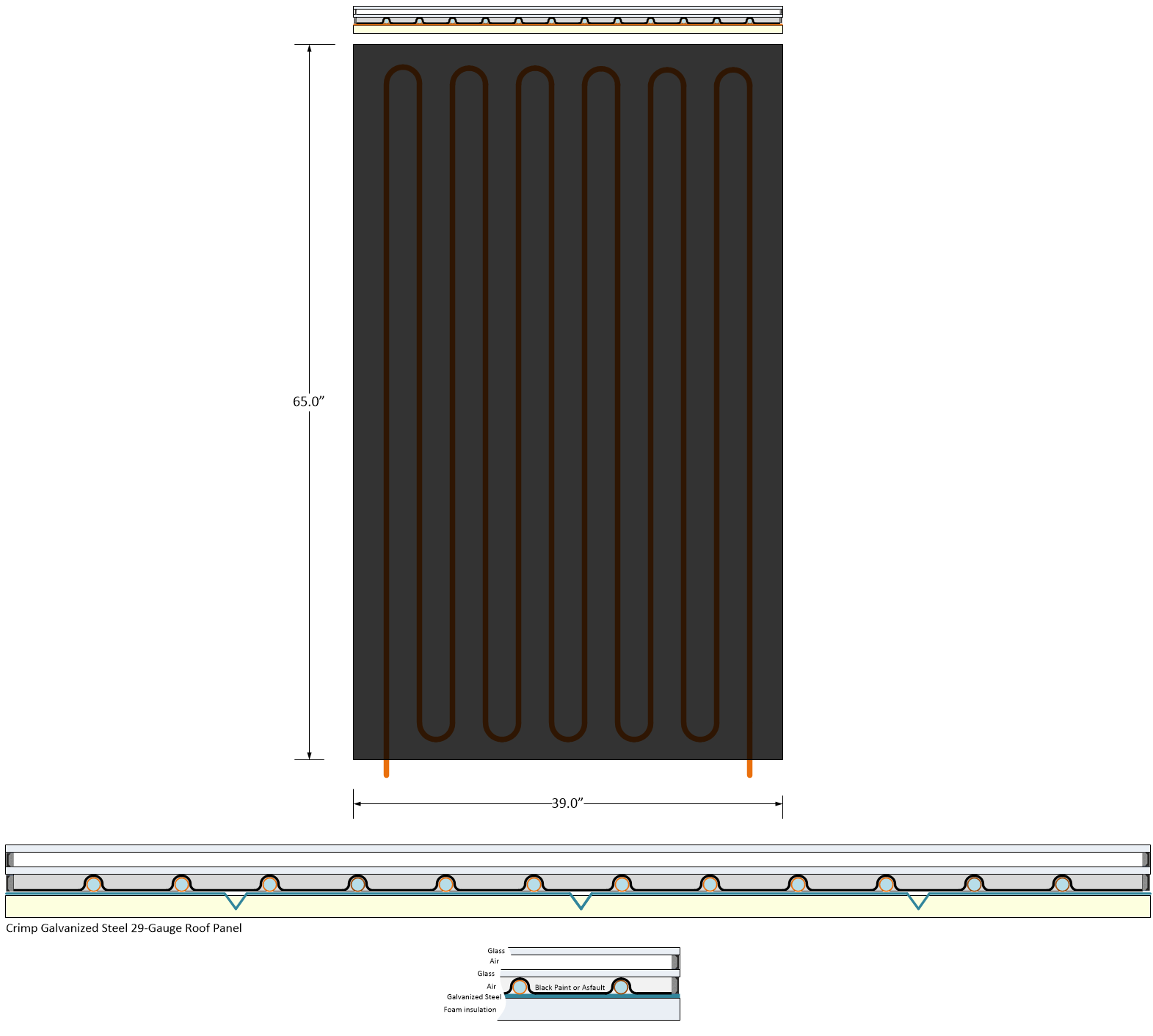
There are many types of solar collectors. Most are designed to heat water to aid or replace home water heaters, heat swimming pools, etc. Their "working fluid" is typically water. Solorce will use a refridgerent as the working fluid.
High efficiency solar collectors can be quite expensive. Solorce is working to make a flat panel collector the size of a typical residential PV panel that is low cost while maintaining a relatively high efficiency.
-
The Sink
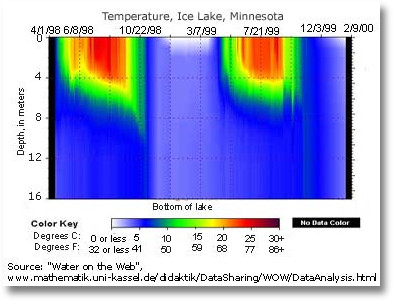
The available energy is proportional to the available temperature differential. For the first prototype, Solorce plans to use a coil submerged in lake water at a depth of 6.5 meters, or about 20 feet.
While this image shows the depth temperature profile for a lake in Michigan, we expect the summer lake temperature at our proposed site to be close to 7° C, or 45° F. With a expected collector temperature of over 150° C, this would yeild a temperature differental of at least 143° C.
Not bad.